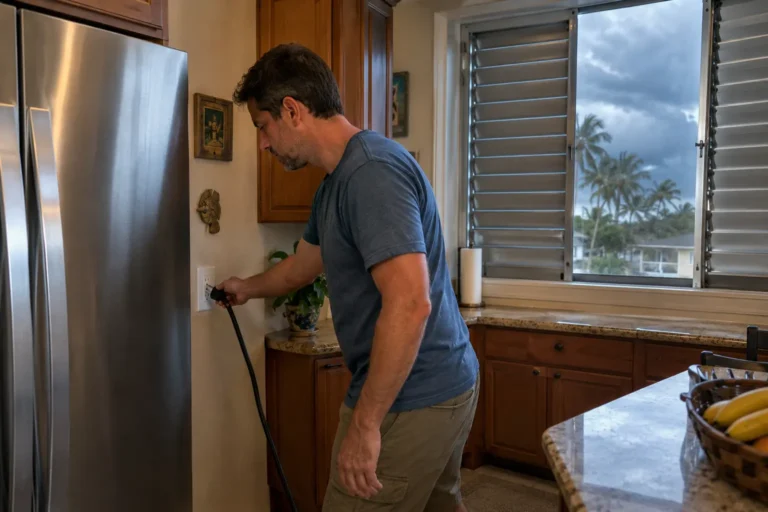
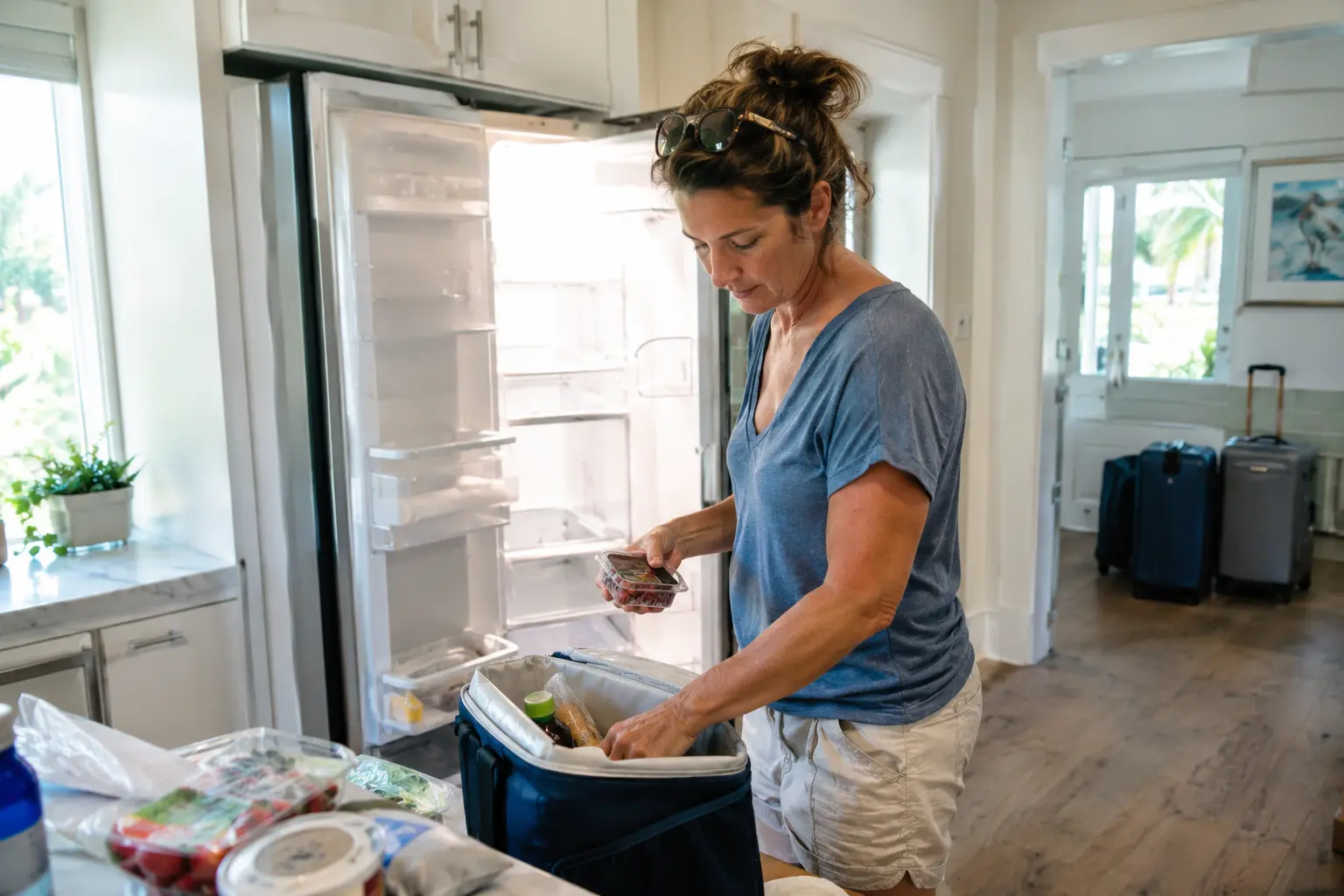
Appliance Checklist Before Leaving for the Season
Every spring, a big share of Sarasota’s population packs up and heads north for the season, and every fall, a good number of those same homeowners come back to a dishwasher that smells like mildew, a washer with a moldy door seal, or a refrigerator that never quite recovered from sitting idle for months. None of this is random bad luck. Appliances aren’t designed to sit completely untouched in a hot, humid house for four to six months, and a little prep before you lock the door prevents almost all of it.
This isn’t the same checklist as hurricane prep. A storm is a short, sharp event you’re protecting against. Leaving for the season is a slow one, months of heat, humidity, and stillness working against your appliances the entire time you’re gone. The steps below are built for that difference.
Why an Empty Florida House Is Harder on Appliances Than You’d Think
A house that sits closed up through a Sarasota summer isn’t neutral, it’s actively working against anything with a rubber seal, a water line, or a motor that hasn’t run in months.
Humidity is the biggest factor. Without regular air circulation, moisture builds up inside washers, dishwashers, and refrigerators, especially around door gaskets, and that’s exactly the environment mold and mildew need. A washer door left closed for the summer is one of the most common sources of a musty smell that greets snowbirds when they return every fall.
Idle time affects moving parts too. Compressors, pumps, and motors that sit completely still for months can be slower to restart than ones in regular use, and a slow water leak or a small existing issue has months to get worse with nobody home to notice it. A single dripping supply line, harmless if caught in a day, can cause real damage over sixteen weeks.
Two Weeks Before You Leave
Start earlier than you think you need to. A few of these steps are easier to arrange with lead time than the day before your flight.
Address Any Appliance Issue You’ve Been Putting Off
An appliance with a known problem, a washer that’s started leaking slightly, a fridge seal that’s not quite closing, a dishwasher that’s draining slowly, is far more likely to fail completely while you’re away than one that’s in good working order. Get anything on your mental “I’ll deal with it eventually” list actually looked at before you leave, not after you get back to a bigger problem.
Arrange for Someone to Check the House
If you have a neighbor, property manager, or house-sitting service, ask them to do a monthly walk-through, not just check the mail. A quick look at the kitchen and laundry room for standing water or an unusual smell catches a small leak before it becomes months of undetected water damage.
Confirm Your Air Conditioning Plan
Don’t turn the AC off completely for the season, even though it isn’t an appliance we service directly, it matters for the ones we do. A closed up house with no air conditioning running in a Sarasota summer will hit interior humidity levels that damage cabinetry, appliance seals, and electronics throughout the home. Setting the thermostat to a higher but still active temperature, generally 80 to 85°F, keeps humidity in check without running up your bill unnecessarily.
Refrigerator and Freezer: The Decision That Actually Matters
This is the one appliance where snowbirds get genuinely split advice, and the right answer depends on how long you’ll actually be gone.
For Absences Under About Six Weeks
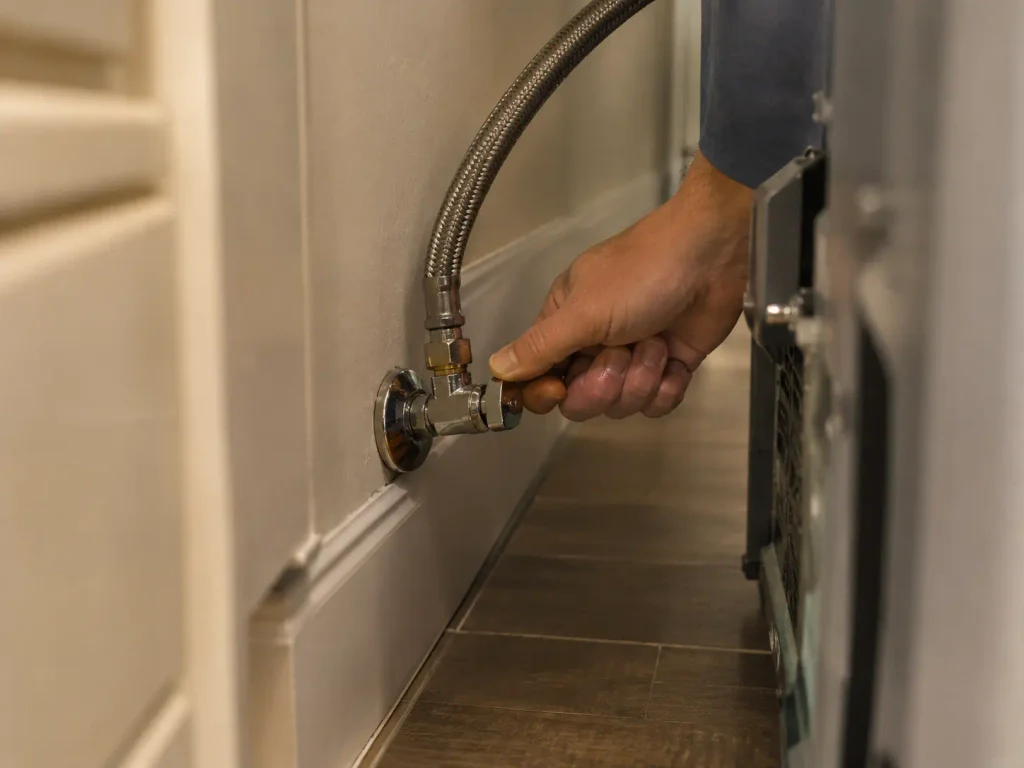
Leave the refrigerator running, but do two things first: turn off the icemaker (most have a simple on/off switch or you can lift the wire shutoff arm), and shut off the water supply valve to the fridge at the wall. This prevents a supply line failure from flooding an empty kitchen for weeks with nobody around to notice, while still keeping the unit running normally.
For Absences Longer Than Six Weeks
Empty the refrigerator and freezer completely, unplug the unit, and prop the doors open. A refrigerator running with nothing inside and nobody checking on it for months is a mold risk if it fails, and an empty, powered-down fridge with the doors open is genuinely safer than one left running unattended for an entire season. Wipe down the interior before you leave, moisture left inside a closed, powered-off fridge is exactly what grows mildew.
Either Way, Shut Off the Icemaker
An icemaker left running in an empty freezer for months either wastes water dripping into an overflowing bin, or, if the supply line has any issue, becomes a slow leak with nobody home to catch it. Turn it off regardless of which refrigerator approach you choose.
Washer, Dryer, and Dishwasher: Water Off, Doors Open
These three appliances share the same core risks while you’re away: a water supply failure with nobody home, and mold growth in a sealed, humid space.
Shut Off Water Supply Valves
Turn off the water supply behind your washer and to your dishwasher before you leave. This is the single most important step for preventing serious water damage during a long absence, a supply line or hose that fails while the water stays on can run for months before anyone notices.
Run an Empty Cleaning Cycle First
Before you shut things down, run an empty hot water cycle through your washer and dishwasher, using a washer cleaner or dishwasher cleaner tablet if you have one. This clears out any residue or buildup that would otherwise sit and grow mold in a closed, unused machine for months.
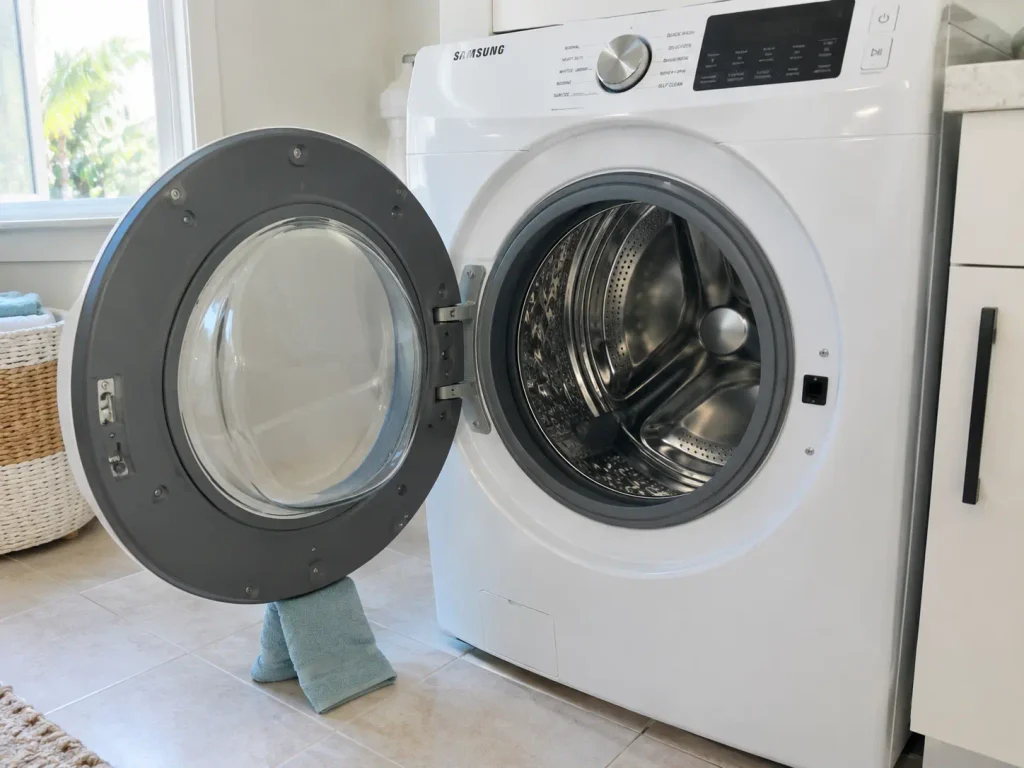
Leave Every Door Propped Open
Washer doors, dishwasher doors, and dryer doors should all be left open, not just unlatched, for the entire time you’re away. A sealed, humid interior with no airflow for months is close to a guarantee of mildew smell by the time you’re back, and it’s the single most common complaint we hear from returning snowbirds.
Unplug Rather Than Just Power Off
Unplug the washer, dryer, and dishwasher from the wall rather than leaving them powered off at the control panel. This removes them from any electrical surge risk during a summer storm while you’re gone, since Florida’s rainy season and hurricane season overlap directly with peak snowbird absence.
Range, Oven, and Cooktop Before an Extended Absence
Gas Appliances
If you have a gas range or cooktop, shut off the gas supply valve for any absence longer than a few weeks. A gas appliance sitting unused for months with the supply left on is an unnecessary risk with no upside, there’s nothing to lose by shutting it off until you’re back.
Electric Appliances
Unplug electric ranges and cooktops if they’re on a standard outlet. If yours is hardwired, note the corresponding breaker so it’s easy to check when you return, and consider switching it off at the panel for the duration of your absence.
Don’t Forget the Small Appliances
Coffee makers, microwaves, toaster ovens, and any countertop appliance with a digital display should be unplugged before you leave, both for surge protection during summer storms and because a small standby power draw adds up across months for no benefit.
The Water Heater
Most tank water heaters have a vacation or standby mode that keeps the tank from freezing or overheating without maintaining full temperature, check your model’s manual for the specific setting. For absences beyond a couple of months, switching it off entirely and draining a bit of pressure is worth considering, particularly on an older unit.
What to Do With the Ice Maker in Your Freezer or Standalone Unit
Beyond the built-in icemaker covered above, if you have a standalone ice machine, empty it completely, run any manufacturer-recommended cleaning cycle, and leave it unplugged and open to air out. Standing water left in an ice machine for months is a reliable way to come home to a musty unit that needs a full clean before it’s usable again.
Full Seasonal Appliance Shutdown Checklist
Two weeks before you leave
- Schedule repairs for anything already showing an issue
- Arrange a monthly house check with a neighbor, property manager, or sitter
- Set thermostat plan for the AC to run in your absence, don’t shut it off completely
Refrigerator and freezer
- Under six weeks away: turn off icemaker, shut off water supply, leave running
- Over six weeks away: empty, unplug, prop doors open, wipe interior dry
- Either way: icemaker off
Washer, dryer, dishwasher
- Shut off water supply valves to washer and dishwasher
- Run an empty cleaning cycle through washer and dishwasher
- Prop all doors open
- Unplug from the wall
Range, oven, cooktop
- Gas: shut off supply valve
- Electric: unplug or switch off at breaker if hardwired
Small appliances
- Unplug coffee makers, microwaves, and countertop units
Water heater
- Set to vacation mode, or switch off and relieve pressure for long absences
Standalone ice machine
- Empty, clean, unplug, leave open to air out
Frequently Asked Questions
Should I turn off my refrigerator completely before leaving for the season? It depends on how long you’ll be gone. Under about six weeks, leave it running with the icemaker off and the water supply shut. Beyond that, emptying and unplugging it with the doors propped open is generally the safer choice for both mold prevention and reducing the risk of an unattended failure.
Is it okay to turn my air conditioning off completely while I’m away for the season? No, this is one of the most common and most damaging mistakes snowbirds make. A closed up Sarasota house with no AC running through the summer builds enough interior humidity to damage appliance seals, cabinetry, and electronics throughout the home. Set the thermostat higher, not off.
Why do washers and dishwashers smell musty when I get back every year? Almost always because the door was left closed on a machine that wasn’t run empty and cleaned first. A sealed, humid interior with no airflow for months is close to a guarantee of mold growth. Running an empty cleaning cycle and leaving the door propped open for your entire absence prevents this.
Should I shut off the water to my whole house, or just to specific appliances? Many snowbirds do shut off the main water supply to the house for long absences, which is a reasonable extra layer of protection, but it doesn’t replace shutting off the supply valves directly behind your washer and dishwasher, since those are the most common points of a slow, undetected leak.
How long can a refrigerator sit unplugged and empty without a problem? Indefinitely, as long as it’s been properly cleaned and dried, and the doors are left propped open to prevent mold from developing in a sealed, moist interior. An unplugged, open, empty refrigerator is low risk for months at a time.
Do I need to do anything special for a gas range if I’m only gone a few weeks? For a short absence, unplugging isn’t typically necessary and shutting off the gas supply is optional. It becomes more worth doing the longer you’re away, since there’s no real downside to shutting it off and it removes one more thing that could go wrong with nobody home.
What’s the single most common appliance problem you see from returning snowbirds? A musty washer or dishwasher from a closed door left sealed all season, by a wide margin. It’s also the easiest one to prevent entirely, and takes about five extra minutes before you leave.
Should I have someone check on the house while I’m gone, even if all my appliances are shut down properly? Yes. Shutting everything down correctly reduces risk significantly, but it doesn’t eliminate the value of a monthly walk-through. A neighbor or property manager catching a small issue in week three beats finding out about it in month five.
Coming Back to an Appliance That’s Not Quite Right?
If you’ve followed every step here and something still isn’t behaving normally when you get back, a fridge that’s slow to cool back down, a washer that won’t start, a dishwasher holding onto that mildew smell even after a clean, it’s usually a quick fix rather than a sign anything’s seriously wrong. We inspect and service seasonal homes across Sarasota every fall as residents return, and we’ll give you a straight answer on whether it’s a simple reset or something that needs an actual repair.