
Why Appliances Fail When You Return to Your Florida Home
You did everything right. You emptied the fridge, propped the doors open, shut off the water supply, maybe even followed a checklist just like the one we published on preparing your appliances before leaving for the season. And yet here you are, back in Sarasota, and the washer won’t drain, the fridge is warm, or the dryer smells like something died in it.
This isn’t bad luck, and it isn’t necessarily something you did wrong. Appliances are built to run, not to sit still, and a Florida house closed up for four to six months creates a very specific set of conditions that cause failures you’d almost never see in an appliance that’s used every week. Understanding why this happens makes it a lot easier to tell what’s a five-minute fix and what actually needs a technician.
The Real Problem Isn’t the Time Away, It’s the Stillness
An appliance that runs regularly stays “exercised.” Motors turn, seals stay flexed, water keeps moving through lines, and moisture doesn’t have a chance to sit anywhere long enough to cause damage. Take all of that away for months at a time, and several separate failure modes start stacking up at once, which is why a returning snowbird often deals with more than one appliance issue in the same week.
Add Florida’s specific climate on top of that: heat, humidity, and an active hurricane and rainy season that runs directly through peak snowbird absence, and you get failure patterns that are genuinely more common here than in a house that sits empty in a dry, mild climate.
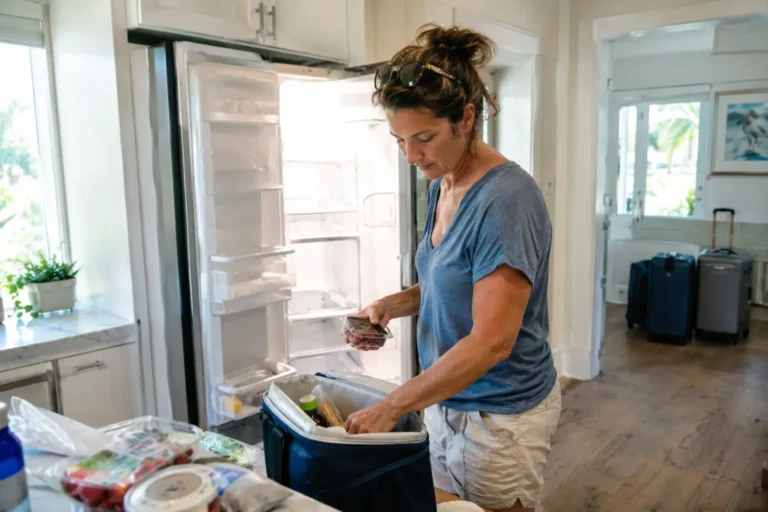
Refrigerators and Freezers: The Most Common Return-Day Problem
Compressor Oil Settling
A refrigerant compressor that hasn’t run in months can struggle on its first restart, refrigerant oil settles when the compressor is idle, and the motor has to work harder to get moving again. Most units recover within a few hours of continuous running. If yours is still warm after 24 hours, that’s no longer a normal restart issue.
Mold and Mildew in the Door Gasket
This is, by a wide margin, the number one complaint we hear from returning homeowners. Even a refrigerator that was properly cleaned and left with the door propped open can develop mildew in the gasket folds if humidity inside the house crept up during the absence. A vinegar and water wipe-down of the gasket, done before you plug anything back in, resolves most of this without needing a repair.
An Ice Maker That Won’t Make Ice, or Won’t Stop Trying
If you left your ice maker running and the water supply developed any issue while you were away, it can arrive back either completely dry and jammed, or stuck cycling and never filling. If you shut off the ice maker and water supply before you left the way we’ve recommended, this usually isn’t an issue. If you didn’t, it’s one of the first things worth checking.
Washers: Door Seals and Standing Water
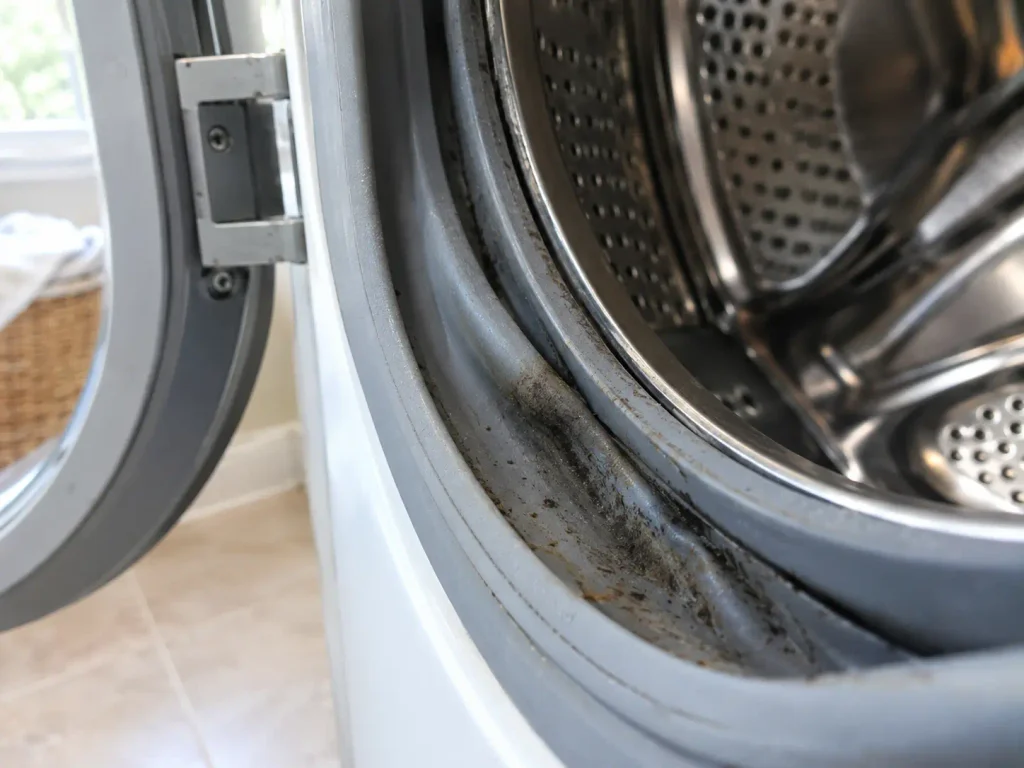
Musty Door Gaskets
Front-load washers are especially prone to this. A rubber door seal that sat closed, or even propped only slightly, in a humid house for months is close to guaranteed to develop some mildew smell. A dedicated washer cleaner run through an empty hot cycle, with the door left open afterward, clears the large majority of cases.
Mineral Deposits and a Slow-Filling Machine
Sarasota’s water has enough mineral content that supply lines and inlet valves can develop scale buildup even without use, sometimes worse when water sits static in a line for months rather than flowing regularly. A washer that fills slowly or unevenly after a long absence is often this rather than a failed valve.
Drain Pump Issues
A drain pump that sat unused for months can occasionally seize slightly or develop a soft clog from standing water and lint that settled during the idle period. Running an empty cycle before your first real load will often clear this on its own, or reveal that it genuinely needs attention.
Dishwashers: Similar Story, Slightly Different Symptoms
Dishwashers share the mold and mildew risk of washers, but they add one more issue specific to Florida: pests. A dishwasher that sat with any standing water or food residue in the filter for months is an appealing spot for small insects, running an empty cycle with the filter removed and cleaned first prevents a lot of downstream frustration.
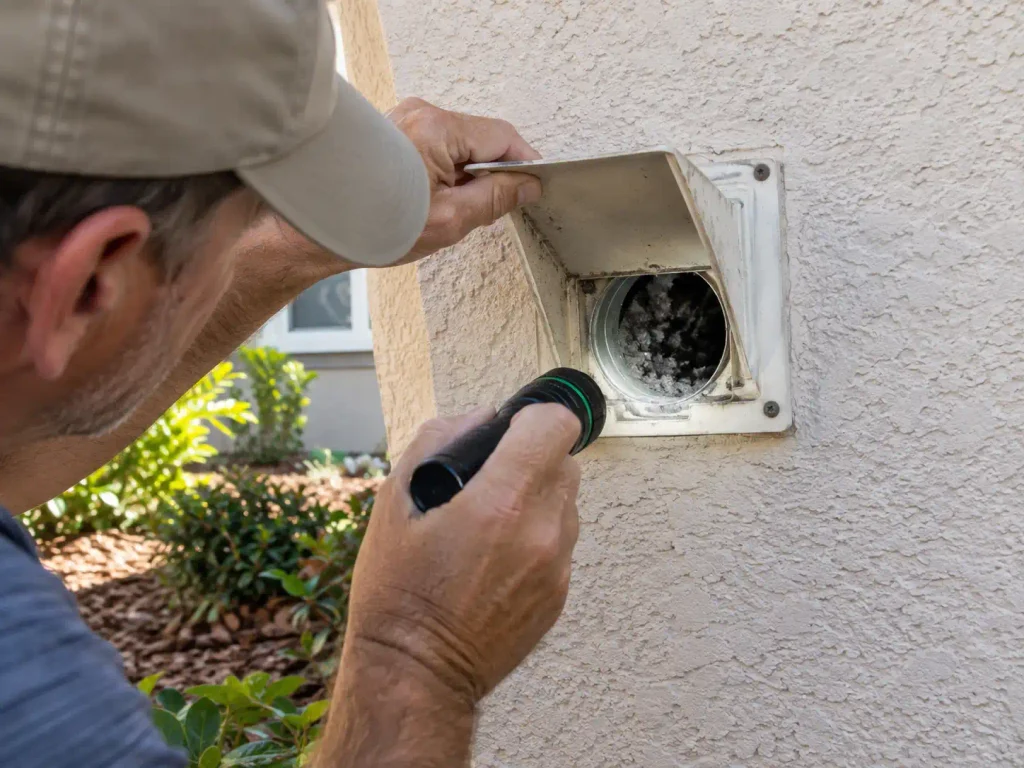
Dryers: The Pest Problem Nobody Expects
This one catches people off guard every year. Dryer vents lead directly outside, and an unused vent duct is an open invitation for small pests, and in older or less sealed installations, occasionally something bigger, to nest during a long absence. A dryer that runs but doesn’t seem to be venting properly, or produces an unusual smell on first use, is worth a vent inspection before you assume the appliance itself has failed.
Ranges, Ovens, and Cooktops
Gas Appliances
If you shut off your gas supply before leaving, as we recommend for extended absences, relighting a pilot or resetting an electronic ignition is usually straightforward, check your specific model’s manual for the restart sequence. If the burner clicks but won’t ignite, check for insects in the burner ports before assuming the igniter has failed, it’s a more common culprit than people expect in a home that’s been closed up.
Electric Appliances
Electric ranges generally restart without issue after being unplugged for the season. If yours doesn’t power on, check the breaker first, it’s common for breakers to trip at some point during a season that includes summer storms, even if nothing else in the house seems affected.
Power Surges That Happened While You Were Gone
Florida’s hurricane season overlaps entirely with peak snowbird absence, which means there’s a real chance a storm passed through while your home was empty, whether or not it made major news. A control board that was surge damaged months ago can sit undetected until you actually try to use the appliance again, which is why a fridge or washer that worked fine when you left can simply not respond at all on your return, with no obvious cause. If you didn’t unplug your major appliances before leaving, this is worth ruling out early.
What to Check Before Assuming Something’s Broken
Before calling for a repair, a few quick checks resolve a surprising number of return-day problems.
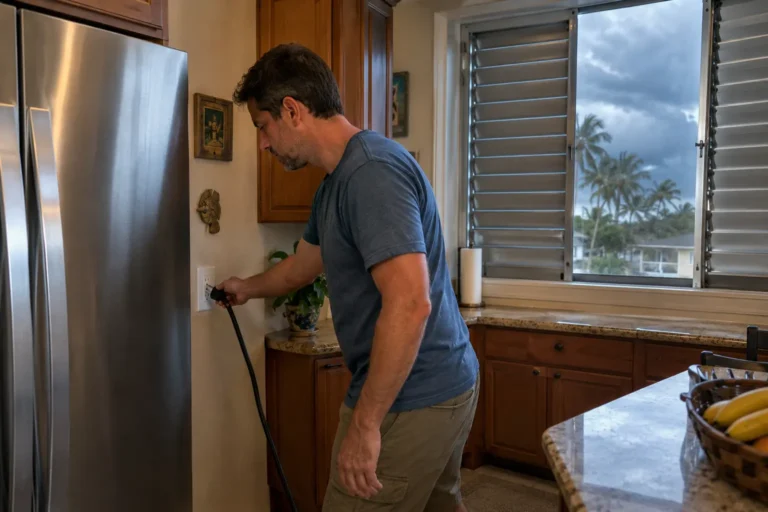
Power cycle anything unresponsive. Unplug it for 60 seconds and plug it back in. This clears a fair number of diagnostic lockouts and minor electrical hiccups that built up over a long idle period.
Check for a tripped breaker before assuming the appliance failed. An electric range, dryer, or dishwasher that seems completely dead is worth a breaker check before anything else.
Run everything empty before using it normally. An empty hot cycle in the washer and dishwasher, and a few hours of empty running time for the fridge before restocking it, both give you a clean read on whether the appliance is actually working before you commit groceries or a full laundry load to it.
Inspect vents and burner ports for pests before running anything that heats up. This is a five-minute check that prevents a much worse smell, or a real hazard, later.
Give the refrigerator a full 24 hours before judging it. A slow restart after months of stillness is normal. A unit that’s still warm well past that point is not.
Frequently Asked Questions
Why is my refrigerator not cooling even though it powers on after I got back? This is most often a compressor that’s slow to restart after sitting idle for months. Give it a full 24 hours of continuous running before assuming it’s failed. If it’s still not cooling after that, the compressor, start relay, or a refrigerant issue is more likely and worth having checked.
Why does my washer smell musty even though I left the door open? A door “propped” rather than fully open, or humidity that built up in the house despite your best efforts, can still allow mildew to develop in the rubber gasket folds. Running an empty hot cycle with a washer cleaner and wiping down the gasket resolves this in the majority of cases without a repair.
Is it normal for appliances to act strange after sitting unused for months? Yes, to a point. A slow refrigerator restart, a washer that needs an empty cycle to clear itself out, or a dryer that needs its vent checked are all common and usually resolve without a technician. An appliance that’s completely unresponsive, shows an unfamiliar error code, or doesn’t improve after these basic checks is worth having looked at.
Could my appliance have been damaged by a storm while I was away and I just didn’t know? Yes, this happens more than people expect. Florida’s hurricane season runs through the exact months most snowbirds are away, and a surge-damaged control board can sit completely undetected until you try to use the appliance again months later.
Why does my dryer smell strange the first time I use it after months away? This is very often a pest issue in the vent duct rather than the dryer itself. Small insects, and occasionally larger pests, find an unused dryer vent an easy way into a sheltered space. Check and clean the vent before running a full load.
Should I run my appliances empty before using them normally when I get back? Yes, for the washer and dishwasher specifically. An empty hot cycle clears out anything that developed during the idle period and gives you a clean test of whether the appliance is actually working before you commit a real load to it.
How long should I give my refrigerator to cool down before deciding something’s wrong? A full 24 hours of continuous running is a reasonable benchmark. Compressor oil settling during months of inactivity means the first restart is genuinely slower than normal, this isn’t a sign of a problem on its own.
What’s the difference between this and the issues covered in your hurricane prep guide? Our hurricane prep guide covers a short, sudden event, surge and flood risk from a single storm. This is about the slower, cumulative effect of months of stillness and Florida humidity, a different set of causes even though some of the symptoms overlap.
If Something’s Still Not Right
Most return-day appliance issues clear up with a power cycle, an empty run, or a quick cleaning, exactly the steps above. If something’s still not working after that, or you’re seeing an error code, a smell that isn’t clearing, or a fridge that won’t recover after a full day of running, it’s usually a straightforward fix rather than a sign you need to replace anything. We handle seasonal home check-ins across Sarasota every fall, and we’ll give you a plain answer on what’s actually wrong before touching anything.